
Blog Posts

Team Trenkwalder
4 months ago
•7 min read
Application TipsHuman ResourcesCareer TipsTechnology
Soft Skills 2026
These skills are massively underestimated
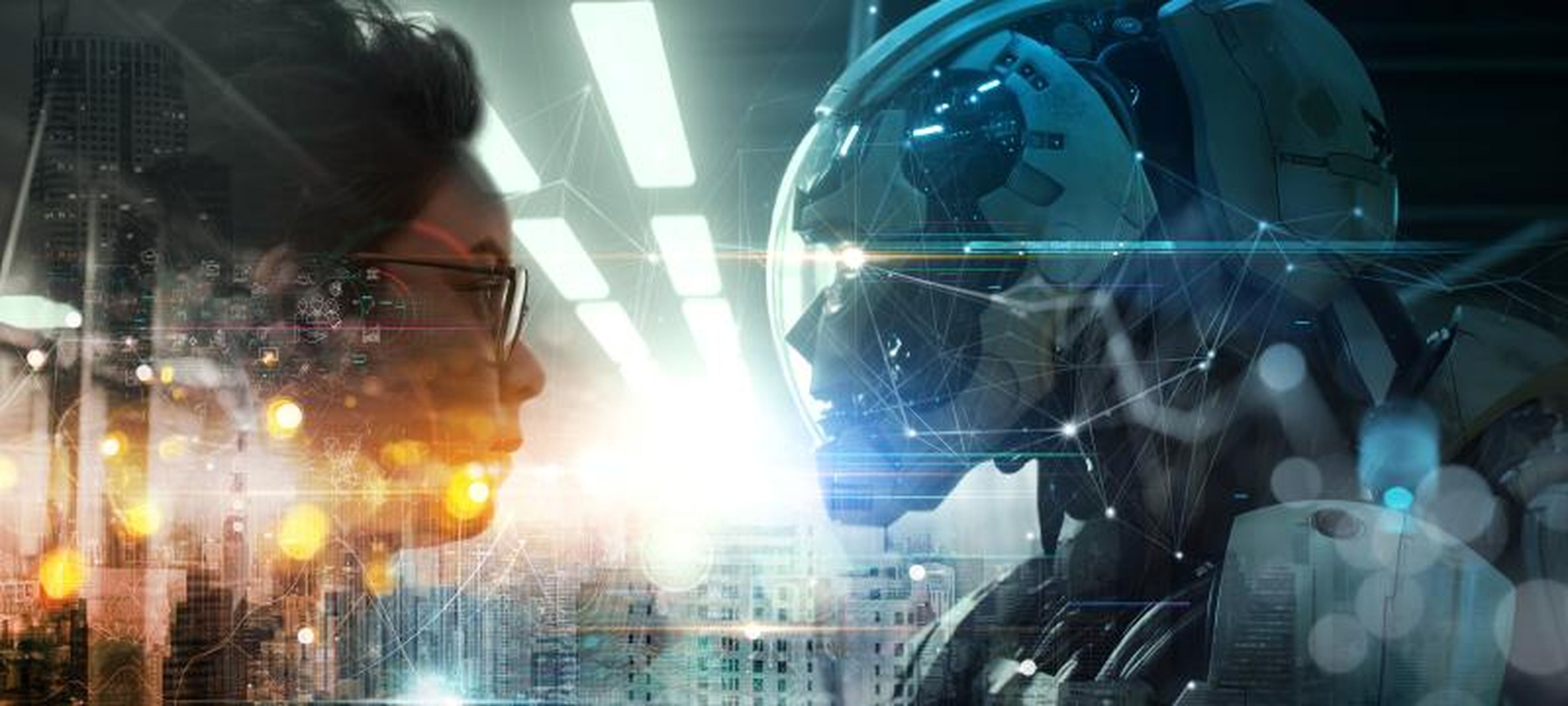
In the age of artificial intelligence, everything seems to boil down to speed, automation, and technical skills. New tools are released on a weekly basis, processes are becoming more efficient, and decisions are increasingly data-driven. Anyone thinking about their career today therefore often hears: “You absolutely must learn AI now.”
But this perspective falls short. Because while many are trying to catch up technologically, the real competition is taking place on an entirely different level—in soft skills. And this is precisely where a quiet but decisive shift is occurring: skills that were long taken for granted are suddenly becoming a distinguishing factor.
Why the Value of Human Skills Is Rising
The more tasks machines take over, the clearer it becomes what machines simply cannot do. AI can analyze, generate, and structure. But it does not understand interpersonal tensions, it does not sense uncertainty in a conversation, and it does not take on real responsibility. This does not mean that technology is becoming unimportant—on the contrary. But it is changing what matters. Suddenly, it is no longer decisive whether you can operate a tool. Many people can do that. What matters is how you handle results, how you interpret them, think them through, and translate them into concrete actions. This is exactly where soft skills come into play.
The Underestimated Skills That Are Now Making All the Difference
If you take a closer look, you’ll quickly realize that the most in-demand soft skills aren’t new. But their importance has changed—and has grown significantly.
Critical thinking is becoming a core competency
In a world where information is available at all times, the ability to evaluate that information is becoming more important than access itself. Many people today rely on AI-generated content—often without really questioning it. But that is precisely what is risky. Results can be incomplete, distorted, or simply wrong. Those who, on the other hand, pause, verify, ask questions, and recognize connections immediately stand out. Critical thinking here means not just doubt, but above all structure: organizing information, recognizing patterns, drawing conclusions. It is the ability to turn data into real decisions.
Communication is becoming more complex—not simpler
At first glance, one might think AI makes communication easier. After all, emails, presentations, or reports can be created faster than ever before. But that is precisely where the challenge lies. When content is produced more easily, the volume automatically increases—and with it, the demands for clarity. Anyone who wants to communicate successfully today must not only create content but also convey it in a way that is understandable, precise, and targeted. What will be particularly important here is the ability to bridge the gap between “technology” and “people”: translating the results of AI analyses into concrete recommendations, and explaining complex topics in a way that ensures they are truly understood. Good communication is therefore less of a technical skill—and more of a strategic competency.
Empathy Is Becoming a Real Competitive Advantage
The more digital the workplace becomes, the greater the need for genuine connection. Teams work remotely, decisions are data-driven, and processes are automated. What is often lost in the process is a sense of the people behind the results. In this context, empathy acts almost as a counterbalance to technology. It fosters trust, provides direction, and facilitates collaboration. Leaders who listen, assess situations accurately, and can respond to people’s needs are in greater demand today than ever before. And in day-to-day work as well, the following holds true: Those who understand social dynamics, recognize conflicts early, and actively shape relationships will be more successful in the long run.
Adaptability is becoming the new security
In the past, a career often meant stability. People specialized, became experts in a field, and built on that foundation. Today, however, change is the norm. New tools, new requirements, new roles—sometimes within a matter of months. In this reality, adaptability is becoming one of the most important skills of all. It’s not about knowing everything, but about being able to learn quickly. Staying open-minded. Trying things out instead of waiting to see what happens. Those who view change not as a threat but as part of the job have a clear advantage.
Self-management is becoming a key skill
AI not only increases efficiency but also complexity. Suddenly, there are more options, more information, and more ways to get things done. Without good self-management, this can quickly lead to feeling overwhelmed. Successful people manage to structure themselves: setting priorities, staying focused, and consciously deciding what is important—and what is not. It’s less about perfect planning and more about clarity in everyday life. Those who can manage their own work remain capable of taking action even in dynamic environments.
Creativity takes on a new role
It is often assumed that AI can replace creative work. In reality, it merely shifts the focus. Instead of creating content from scratch, the emphasis is increasingly on developing ideas, combining perspectives, and providing creative impetus. AI can support this—but it usually delivers variations on existing concepts. True innovation arises where people think differently, make unusual connections, or consciously break new ground. Creativity thus becomes less operational and significantly more strategic.
The mistake many people make
A common reaction is: “I need to build up as many technical skills as possible right now.” That’s understandable—but it’s an incomplete way of thinking. Because in the long run, those who can use technology effectively will come out on top. And that requires more than just technical knowledge. It requires judgment, communication skills, empathy, and the ability to learn. Or to put it another way: AI enhances your abilities—but it doesn’t replace who you are.
The combination makes the difference
The future does not belong to pure tech experts—nor does it belong exclusively to those with “people skills.” Those who succeed are the ones who combine both.
People who:
understand and use AI tools
critically evaluate results
communicate clearly
and at the same time retain a sense of human connection
This combination is rare—and that is precisely why it is so valuable. In the AI era, it is not about being human or machine.
It is about being the person who understands technology best—and uses it most wisely.
What this means for companies like Trenkwalder
As a staffing agency and career partner, Trenkwalder is experiencing this trend firsthand. The expectations placed on job applicants are changing noticeably—not only in terms of professional qualifications, but increasingly in terms of personal skills as well. In our daily work, it is becoming increasingly clear: technical expertise remains important, but it is no longer enough to ensure long-term success. Today, companies are looking for people who think flexibly, take on responsibility, and can navigate a dynamic environment with confidence. This is precisely where the often-underestimated soft skills come into play.
Trenkwalder supports both companies and talent through this transformation. It is clear that the candidates in high demand not only possess technical expertise but, above all, the ability to adapt to change, communicate clearly, and continuously develop their skills. At the same time, Trenkwalder supports companies in identifying and fostering this potential—whether through targeted consulting, suitable placements, or the development of modern job profiles. Because one thing is becoming increasingly clear: It is not the perfect qualifications that determine success—but the ability to continually adapt to new demands.
A Look at Real-World Practice
Many projects show that soft skills, in particular, make all the difference. Two candidates with similar résumés can be perceived completely differently—depending on how they communicate, how they tackle problems, or how they work within a team.
Companies are therefore increasingly looking for individuals who:
Show initiative
Take responsibility
Are open to new technologies
And at the same time do not lose sight of the human factor
This trend confirms that the job market is changing not only technologically—but also culturally.
Conclusion: Soft skills are no longer just a “nice-to-have”
The future of work is not determined solely by technology, but by the people who use it. Soft skills are becoming a decisive factor for success—both for companies and for job seekers.
Those who invest in their personal skills today are laying the foundation for long-term success. And this is precisely where Trenkwalder sees itself as a partner: not just in placing people in jobs, but in shaping sustainable careers.
Would you like more career tips? Follow us on LinkedIn, Facebook and Instagram so you don’t miss any exciting topics related to careers and human resources!
Interested in more articles like this?
Sign up and get more articles on the topics of “Bewerbungstipps, Human Resources, Karrieretipps, Technologie”
This site is protected by reCAPTCHA Enterprise.
Social Media


Follow us for the latest
We constantly post new interesting job offers, tips and look for talent there.
Trenkwalder @